大会报告
大会报告嘉宾(Keynote Speakers)
Keynote Speakers
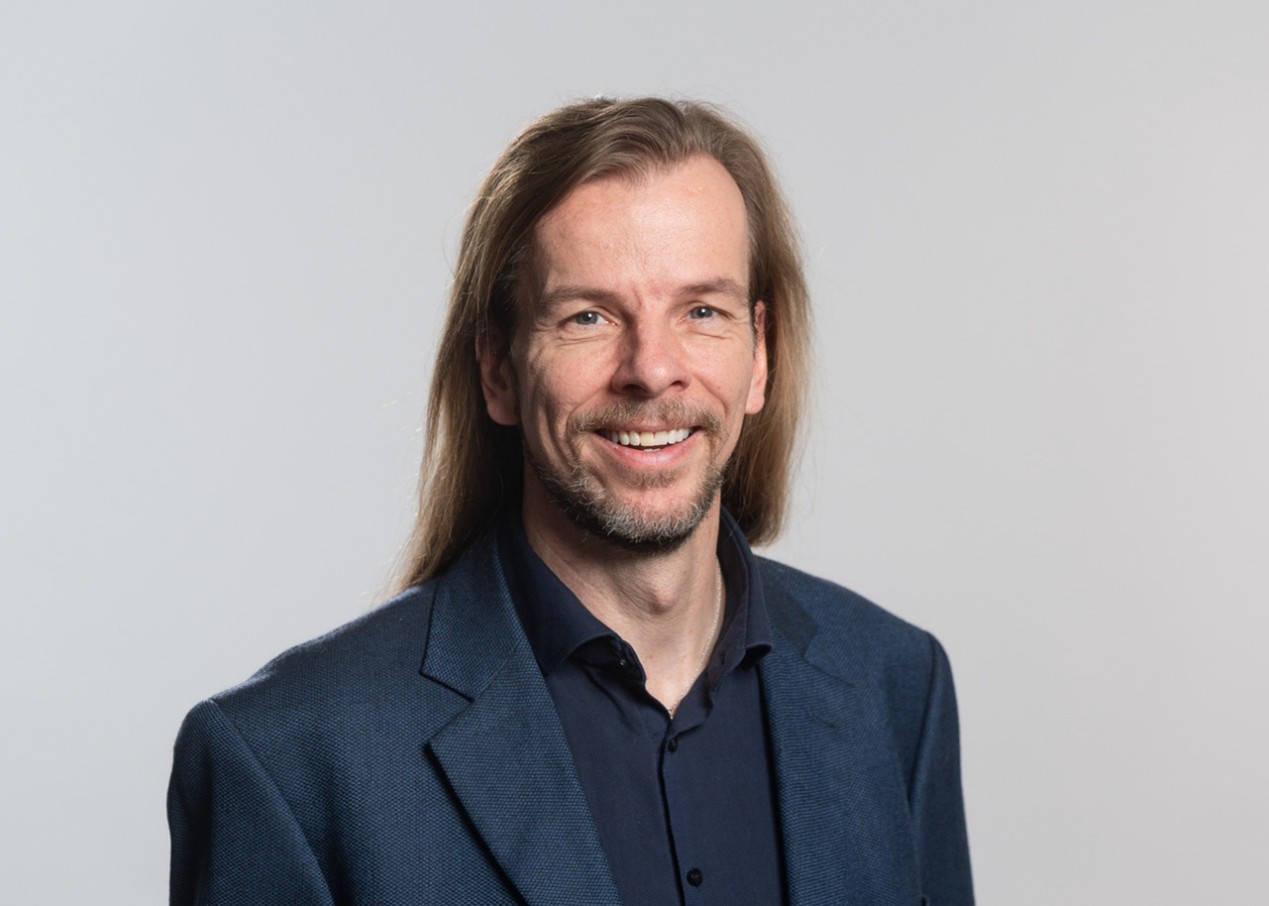
Keynote 01
Björn W. Schuller (博雅恩)
Technical University of Munich (TUM), Germany / 德国慕尼黑工业大学
The Way of Multimodal Communication: From Emotion to Health
Human communication weaves speech, language, and nonverbal behaviour into a continuous exchange of meaning and emotion. This keynote traces the way from sensing emotion to building multimodal systems that assess human states and traits, with applications from mental health assessment to emotionally responsive artificial companions, and the vision of multimodal communication intelligence that helps improve lives.
Detailed / 查看详情 →
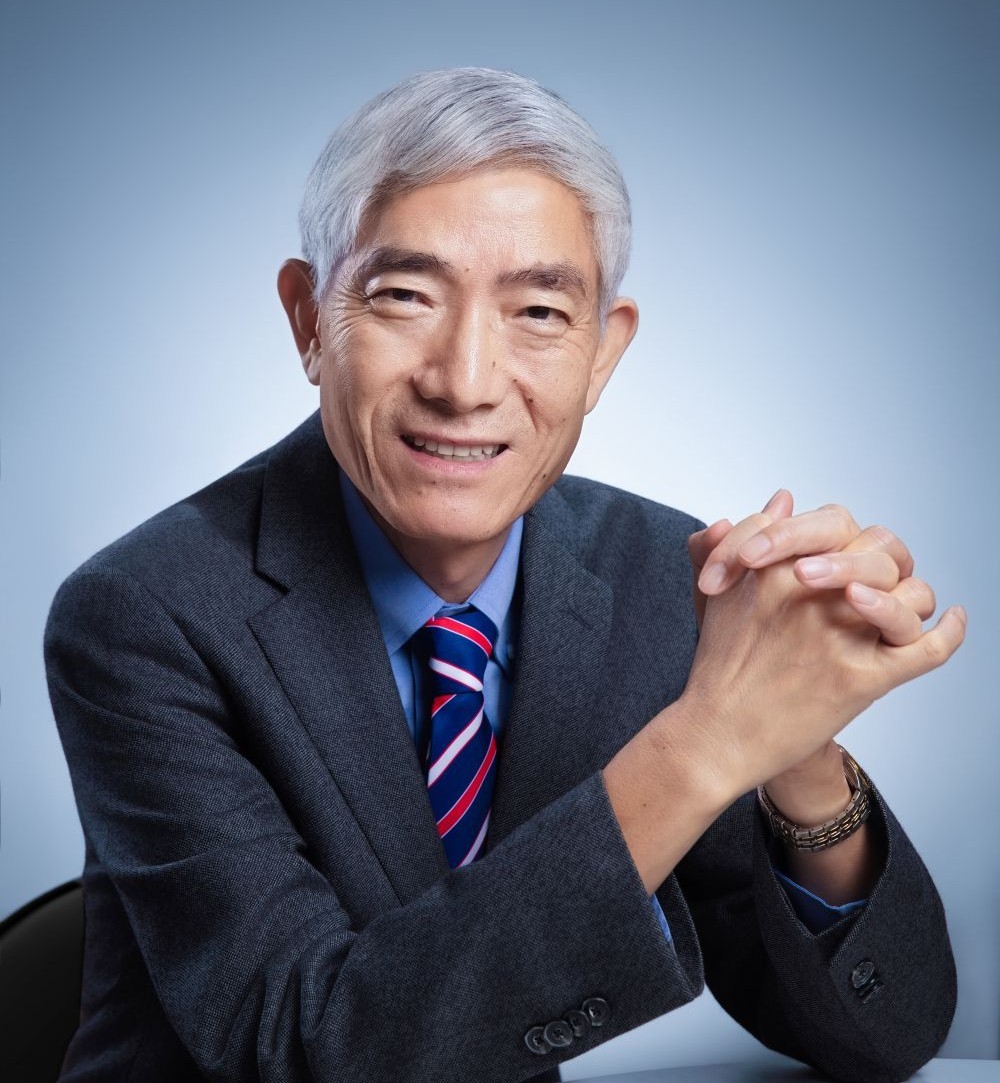
Keynote 02
DeLiang Wang (汪德亮)
The Chinese University of Hong Kong, Shenzhen / 香港中文大学 (深圳)
Speaker Tracking: Segment-online Multi-talker Organization with a Varying Number of Speakers
Speaker tracking is the task of separating and following multiple speakers over time, addressing overlapped speech, talker identity, and time-varying speaker count. The proposed segment-online framework performs speaker separation, voice activity detection, and a two-stage sequential organization strategy (overlap-based stitching and memory-based verification), achieving state-of-the-art tracking on LibriCSS and AMI.
Detailed / 查看详情 →

Keynote 03
Yike Guo (郭毅可)
The Hong Kong University of Science and Technology / 香港科技大学
YuE2: Bringing the Human into the Loop of Symbiotic Creativity in Music
Generative AI is transforming creative practice across music, visual art, and writing, yet most current systems leave human creators on the margins, reducing creation to trial-and-error prompting and repeated sampling. Genuine creative work is an iterative process of expressing and refining intention. The path to meaningful machine creativity therefore lies not in fully automated generation, but in symbiotic creativity: human–AI co-creation with the human in the loop, where machine generation and human aesthetic judgment form a continuous feedback loop and the creator remains in control.
Detailed / 查看详情 →
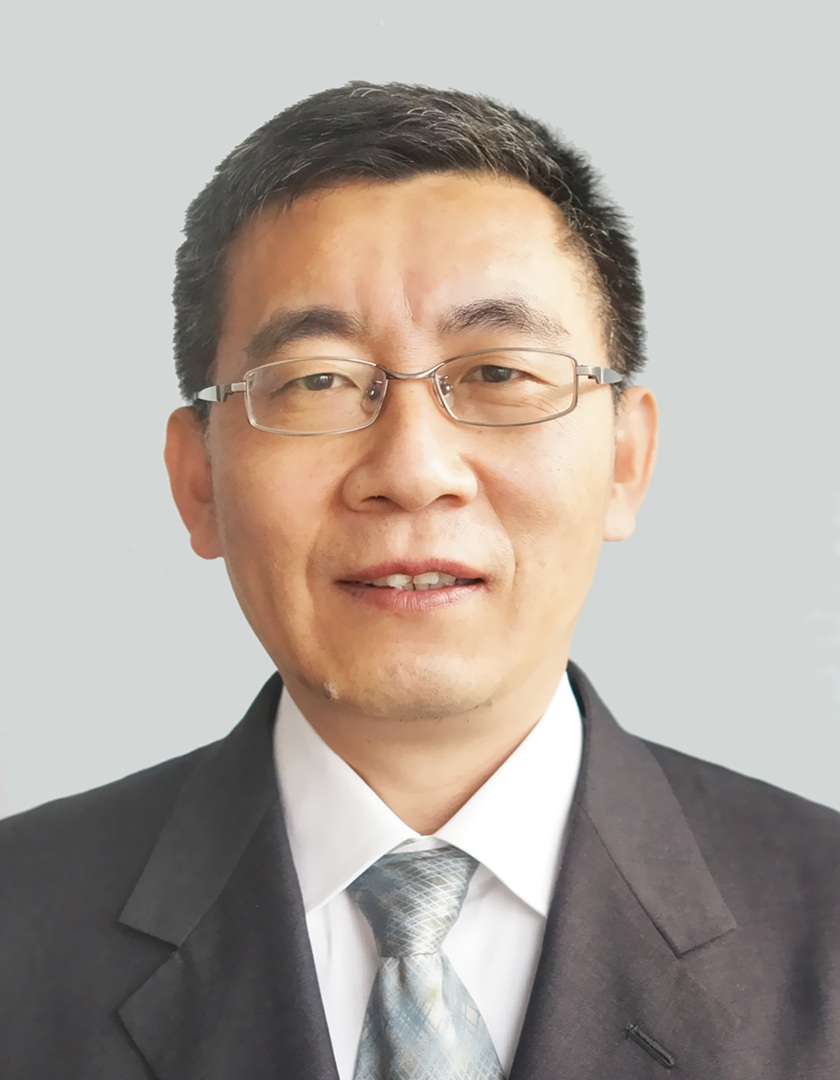
Keynote 04
Yonghong Yan (颜永红)
Institute of Acoustics, Chinese Academy of Sciences / 中国科学院声学研究所
四十年 从理想到现实
自从有了计算机,让计算机听懂人说话就成了人类的梦想。随着ICT的迅猛发展,过去四十年语音技术取得了令人瞩目的成就,今天语音技术已经在人们生活中无所不在。作为一个在语音行业40年的科研工作者,本报告首先将从第一视角回顾80年代中到90年代初国内的部分语音研究历史,然后简单回顾四十年研究的一些成果和感悟,最后会在当前AGI时代,对语音还有哪些可能值得研究的问题做一点探讨。
Detailed / 查看详情 →
Keynote 05
Xipeng Qiu (邱锡鹏)
Shanghai Innovation Institute & Fudan University / 上海创智学院 & 复旦大学
迈向全模态交互模型
本报告聚焦从“离线理解”走向“实时交互”的全模态模型演进,介绍 OpenMOSS 团队在视觉理解、通用音频理解、语音生成与实时视频交互方面的研究进展。报告首先梳理多模态大模型的发展脉络与关键挑战,随后围绕 MOSS-VL、MOSS-Audio 和 MOSS-TTS,说明模型架构、训练方法及其在视频理解、音频理解和语音合成中的能力。在此基础上,报告进一步介绍 MOSS Live:该模型面向持续视频流进行实时理解与交互,支持用户在任意时刻提问,根据场景变化即时回应,并在信息不足时保持静默、在新画面到来时及时修正判断,推动视频模型从“看完再回答”转向“边看边交流”。最后展示 MOSS 多模态系列从模型设计、数据训练到推理系统协同优化的技术路径。
Detailed / 查看详情 →
NCMMSC-AACL 联合论坛特邀报告嘉宾(NCMMSC-AACL Joint Forum Invited Speakers)
Invited Speakers of the Joint Forum with AACL
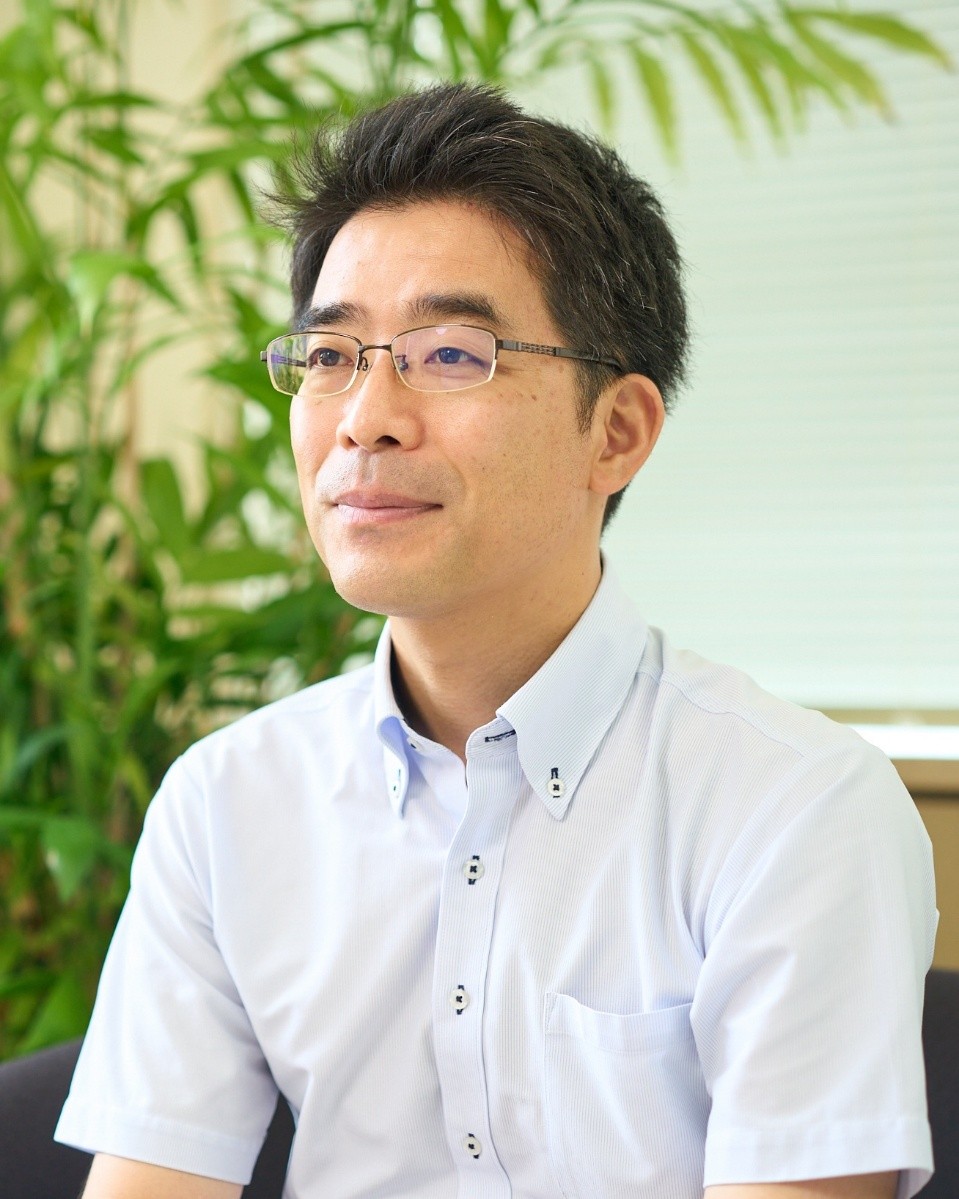
Invited 01
Junichi Yamagishi (山岸 順一)
National Institute of Informatics (NII), Japan / 日本国立信息研究院
Toward Multi-Layer Protection of Speech Against Real-World Misuse: What Can the Speech Community Do?
As synthetic voices become nearly indistinguishable from human speech, no single technique can reliably prevent their misuse. This talk presents complementary passive and proactive defenses—from deepfake detection toward word localization, and from audio watermarking toward self-recovery watermarking—and shares ideas on what the speech community can do together.
Detailed / 查看详情 →
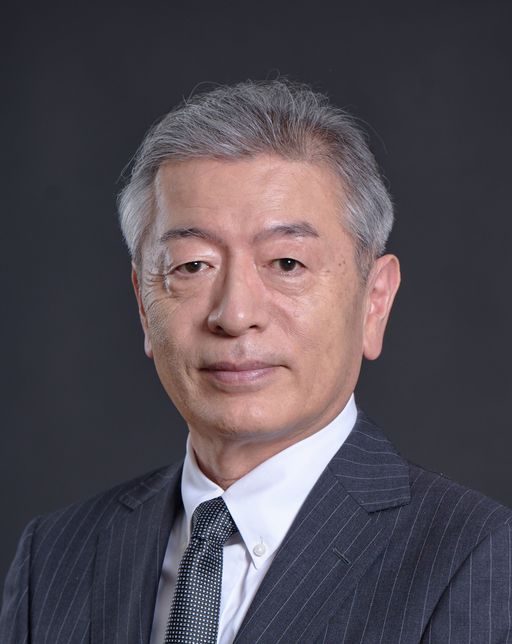
Invited 02
Satoshi Nakamura (中村 哲)
The Chinese University of Hong Kong, Shenzhen / 香港中文大学 (深圳)
Challenges and Progress in Automatic Speech-to-Speech Translation: Bridging the Gap to Human Simultaneous Interpretation
Automatic speech-to-speech translation has long been a dream technology for humanity. Through numerous breakthroughs over decades of research, we have now reached the stage where speech translation services are available on smartphones. However, many challenges remain before we can achieve translation quality comparable to that of a trained simultaneous interpreter. Key issues include how to translate across languages with different word orders, such as English and Japanese, without waiting for the end of a sentence or utterance; how to balance latency and content fidelity; and how to capture the speaker's intent conveyed through intonation.
Detailed / 查看详情 →
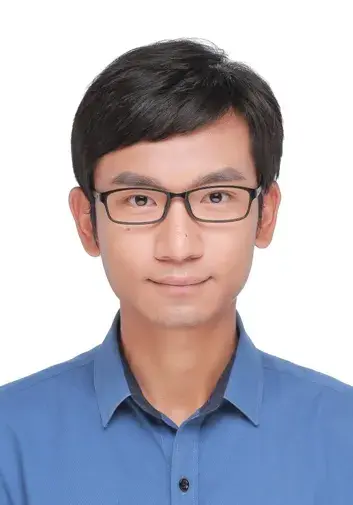
Invited 03
Rui Yan (严睿)
Wuhan University / 武汉大学
Multi-Agent Collaboration for Complex Tasks
Agentic intelligence is now a new paradigm and a core component of the frontier in artificial intelligence research. Agentic intelligence transforms the capabilities of humans to agents in an automatic way. Unlike earlier systems that responded to a single instruction prompt and stopped to wait for further orders from users, modern agentic systems generally pursue a final target over many steps across multiple turns in the long context: they plan, call functions and tools, write and execute code, search for information, evaluate their own intermediate results, and revise their approach as a comprehensive workflow.
Detailed / 查看详情 →
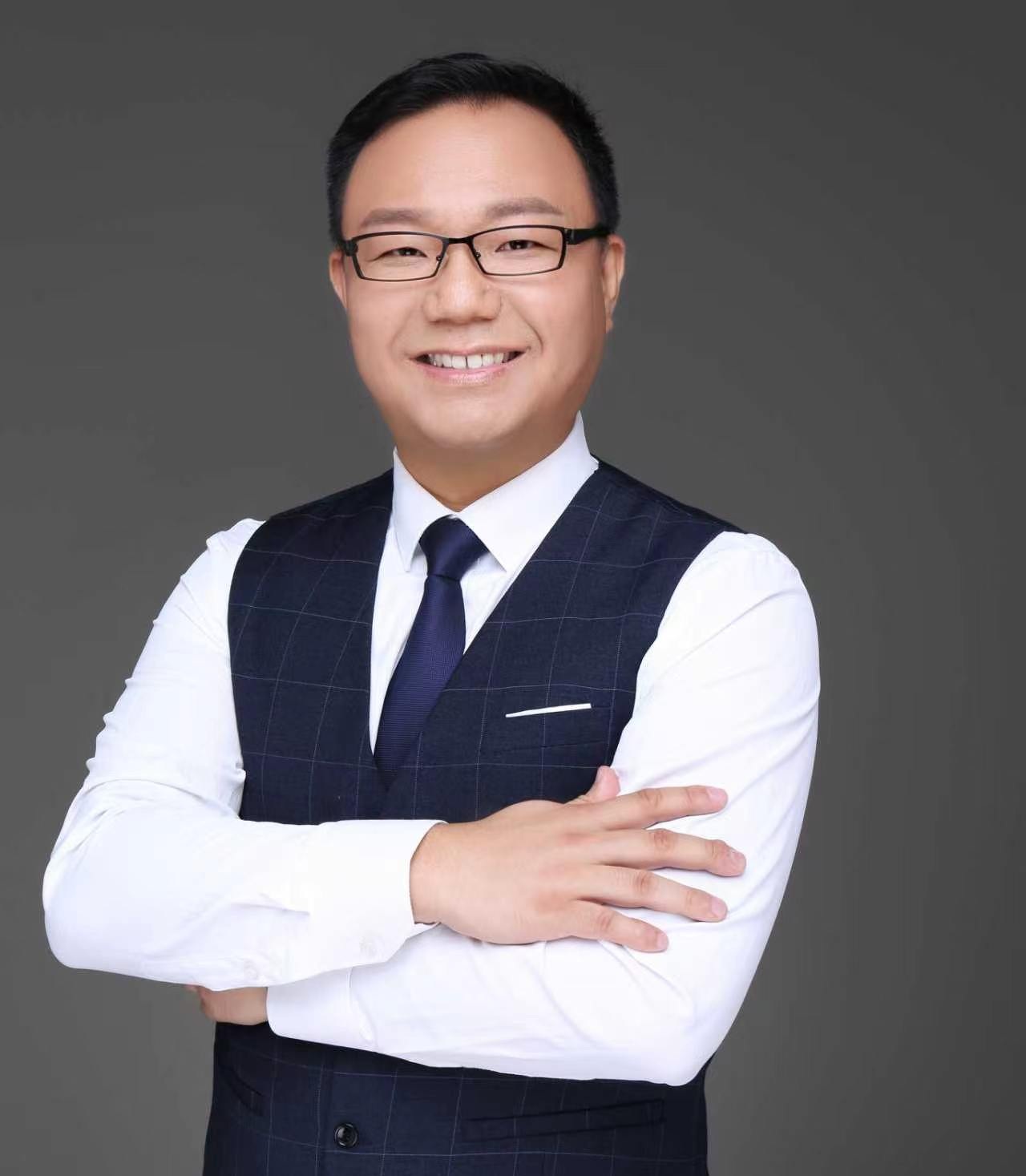
Invited 04
Haofen Wang (王昊奋)
Tongji University / 同济大学
Token Economics in the Agent Era: From Token Consumption to Intelligent Scheduling
AAs Artificial Intelligence evolves from single-turn chat interfaces into autonomous, always-on production systems, AI agents are increasingly operating continuously in the background. In this paradigm shift, tokens are no longer just an ephemeral metric for API billing—they have become fundamental production resources that require systematic organization, governance, and dynamic scheduling.
When autonomous agents run non-stop and model capabilities and pricing fluctuate rapidly, how can organizations allocate intelligent compute under strict budget and quality constraints?
Detailed / 查看详情 →